

STROKE: A GUIDE FOR PATIENTS & CAREGIVERS
A stroke can affect the way a person moves, communicates, thinks, sees, swallows and completes everyday activities. Whether you have experienced a stroke or are helping care for someone who has, understanding what happened and knowing what to expect can help you move forward safely.

Understanding a Stroke
Understanding a Stroke
A stroke is a medical emergency. When blood flow to the brain is interrupted, brain cells begin to die within minutes. Every minute counts in stroke care. Each hour of untreated stroke ages the brain by ~3.6 years The faster treatment begins, the more brain function can be saved.
Know the Warning Signs: BE FAST
BE FAST helps you remember common stroke warning signs. Symptoms often begin suddenly.
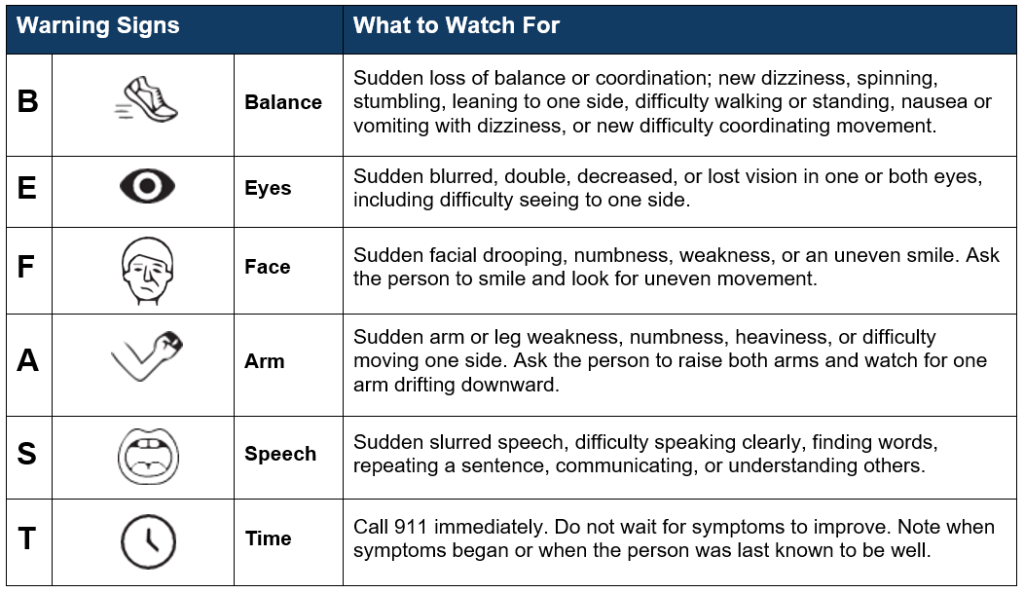
CALL 9-1-1.
A TIA and a stroke can have the same symptoms. Call 911 even when symptoms improve or go away. Never drive yourself or another person who is experiencing stroke symptoms.
What Is a Stroke?
A stroke happens when blood flow to part of the brain is blocked or when a blood vessel in or around the brain ruptures. Without blood and oxygen, brain cells can become damaged or die rapidly. During an ischemic stroke, permanently injured tissue may form at the center, while surrounding tissue may still be saved if blood flow is restored quickly.
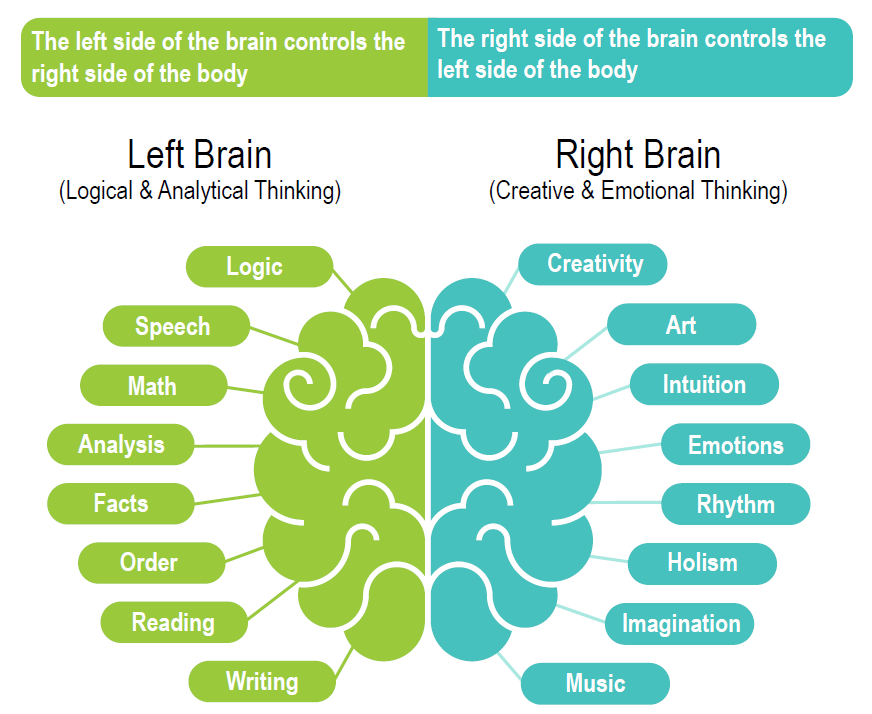
The brain controls movement, speech, thinking, vision, emotions, and many body functions. The effects depend on the area involved. Each side of the brain generally controls the opposite side of the body. The left side is commonly associated with language, reading, writing, logic, facts, order, math, and analysis. The right side is commonly associated with creativity, art, intuition, emotions, rhythm, holistic thinking, imagination, and music.
How Stroke Is Diagnosed?
Testing helps determine whether symptoms are caused by a blockage, bleeding, or another condition, identifies possible causes, and guides treatment. Because treatments may be time-sensitive, evaluation begins as quickly as possible.
- Medical history and neurological examination
- CT scan or MRI of the brain
- Imaging of blood vessels in the head and neck
- Blood tests
- Heart-rhythm monitoring and other heart tests
Types of Stroke
Ischemic Stroke
An ischemic stroke occurs when an artery supplying the brain becomes blocked or severely narrowed. Most strokes are ischemic. Causes and descriptions may include:
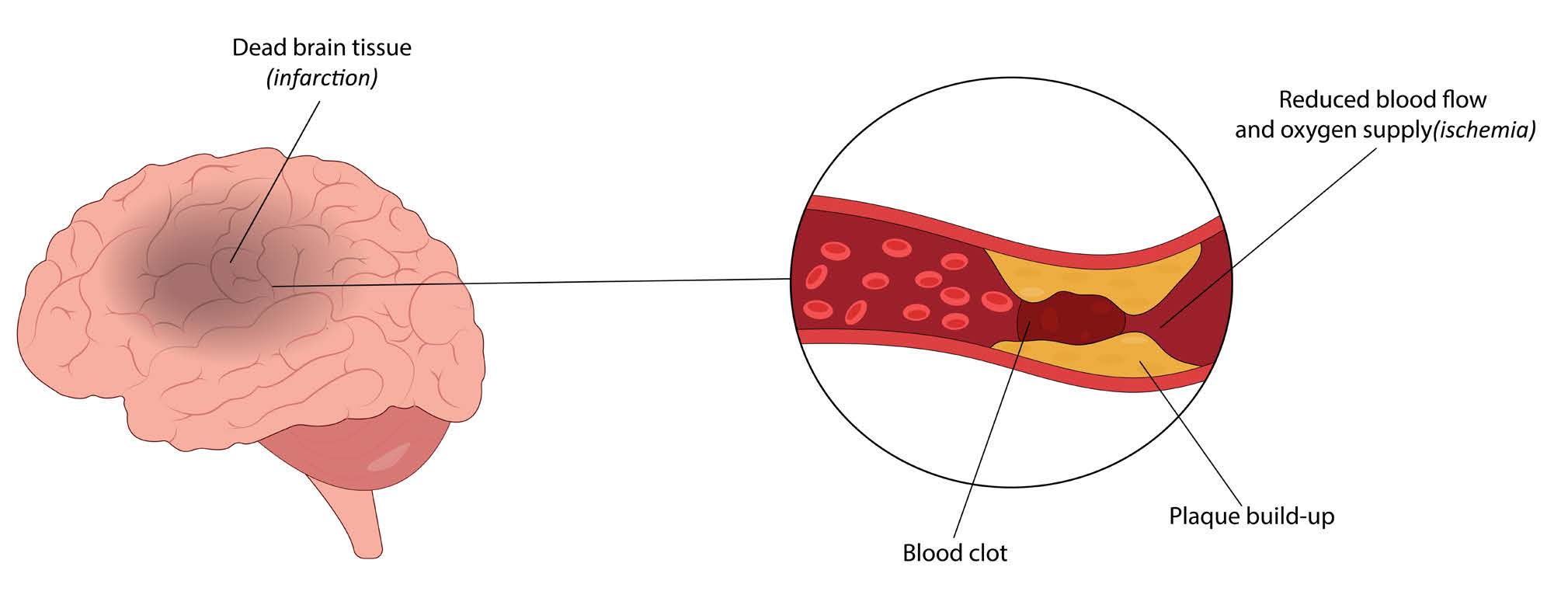
- Embolic stroke: a clot or other material forms elsewhere, often in the heart or neck artery, and travels to the brain. Atrial fibrillation is an important cause.
- Thrombotic stroke: a clot forms directly inside an artery supplying the brain, often where the artery is narrowed or damaged.
- Atherothrombotic stroke: plaque narrows an artery, ruptures, or contributes to a clot or traveling debris.
- Lacunar stroke: a small vessel deep in the brain becomes blocked; long-term high blood pressure and diabetes can damage these vessels.
- Cryptogenic stroke: the cause remains unidentified after usual testing; later heart or blood-vessel testing may sometimes identify a cause.
- Large vessel occlusion (LVO): one of the brain’s major arteries is blocked and may require an emergency procedure. LVO describes the blocked vessel’s location and size, not a separate cause.
Hemorrhagic Stroke
A hemorrhagic stroke occurs when a blood vessel ruptures and causes bleeding within or around the brain. Bleeding can damage brain cells, irritate tissue, and increase pressure inside the skull.
- Intracerebral hemorrhage (ICH): bleeding directly into brain tissue. Long-term uncontrolled high blood pressure is a common cause.
- Subarachnoid hemorrhage (SAH): bleeding into the space around the brain, often from a ruptured aneurysm. Symptoms may include a sudden severe or thunderclap headache, neck stiffness, light sensitivity, nausea or vomiting, confusion, decreased alertness, seizure, or loss of consciousness.
- Hemorrhagic conversion: bleeding develops within an area injured by an ischemic stroke. It is a complication of ischemic stroke, not a separate primary type.

Transient Ischemic Attack (TIA)
A TIA occurs when blood flow to part of the brain or eye is temporarily blocked or severely reduced. Symptoms are the same sudden symptoms as an ischemic stroke but may improve or disappear. A TIA does not create permanent brain-tissue injury, but it may warn that a stroke could occur soon. There is no way to distinguish a TIA from an active stroke at home.
Stroke Risk Factors and Prevention
Important risk factors include high blood pressure, atrial fibrillation and other heart conditions, high cholesterol, atherosclerosis or carotid disease, diabetes, smoking, heavy alcohol use, physical inactivity, obesity, unhealthy eating patterns, prior stroke or TIA, increasing age, family history, prior brain bleeding, anticoagulant use, bleeding disorders, stimulant drug use, family history of aneurysm or SAH, and certain inherited conditions.
Risk Factors You Can Address
- Control blood pressure, cholesterol, and blood sugar.
- Treat atrial fibrillation and other heart conditions.
- Take medications exactly as prescribed.
- Do not smoke.
- Maintain a healthy weight and eat a heart-healthy diet with fruits, vegetables, whole grains, and lean proteins.
- Participate in safe physical activity as recommended.
- Limit alcohol as recommended.
- Avoid cocaine, amphetamines, and other stimulant drugs.
- Complete recommended follow-up, heart monitoring, blood-vessel imaging, and specialty appointments.
Risk Factors You Cannot Change
- Age
- Sex
- Race or ethnicity
- Family history of stroke
- Prior stroke or TIA
When non-modifiable risks are present, it is especially important to manage the risks that can be changed.
Five Important Prevention Steps
- Take medications every day as prescribed.
- Keep blood pressure under control.
- Eat a heart-healthy diet.
- Stay physically active as recommended.
- Do not smoke.
Some patients may benefit from carotid endarterectomy to remove plaque from a neck artery or placement of a stent to keep an artery open. Your healthcare provider determines whether these procedures are appropriate.
Hospital Stroke Care at Berkshire Health Systems
Hospital Stroke Care at Berkshire Health Systems
Stroke Care Across BHS
Berkshire Medical Center (BMC) is designated as a Primary Stroke Service by the Massachusetts Department of Public Health and is certified as a Primary Stroke Center through The Joint Commission. Fairview Hospital (FVH) and North Adams Regional Hospital (NARH) are designated Acute Stroke Ready Hospitals and provide rapid evaluation and stabilization.
Through telestroke, clinicians at BMC, FVH, and NARH can consult in real time with remote stroke experts using secure video. This supports timely diagnosis, treatment, and evaluation for additional procedures or transfer.
| Emergency Evaluation & Treatment Plans | Inpatient Monitoring & Treatment | Inpatient Rehabilitation | Discharge Preparation |
Emergency Room Evaluation & Treatment
Emergency care focuses on identifying the type and cause of stroke, protecting the brain, and beginning appropriate treatment as quickly and safely as possible.
Evaluation
Evaluation may include:
- Rapid neurological examination
- Confirmation of symptom onset or the last-known-well time
- CT or MRI of the brain
- Imaging of blood vessels in the head and neck
- Blood tests, including clotting tests when appropriate
- Heart-rhythm, breathing, oxygen, and blood-pressure monitoring
- Review of medical history, current medications, recent procedures, and bleeding risks
- Neurosurgical or neurointerventional consultation when needed
Treatment
The following are treatments for stroke types:
Ischemic Stroke
- Tenecteplase (TNK): an eligible patient may receive this clot-dissolving medication through a vein within an appropriate treatment window. The patient must meet safety criteria because TNK can increase bleeding risk. TNK does not remove hardened plaque, and not every patient qualifies.
- Mechanical thrombectomy: selected patients with a large vessel occlusion may qualify. A specialist guides a catheter to the blocked brain artery and removes the clot or other obstructing material. Selected patients may qualify many hours after symptoms begin, sometimes up to 24 hours, depending on imaging and other factors. Transfer to a hospital providing advanced stroke treatment is required.
Hemorrhagic Stroke
- Blood-pressure management and reversal of medications that affect clotting when appropriate
- Treatment of seizures, brain swelling, excess fluid, or increased pressure
- Procedure or surgery for selected patients to remove collected blood, relieve pressure, control bleeding, or repair an abnormal vessel
- For aneurysmal SAH, endovascular coiling or surgical clipping may prevent another bleed
- Nimodipine may be used after aneurysmal SAH to reduce the risk of delayed brain injury
- Transfer to advanced neurological, neurosurgical, or neurointerventional services when needed
TIA
TIA evaluation may include neurological examination, brain and blood-vessel imaging, blood tests, heart monitoring, and a review of medications and risk factors. Information from the patient, caregiver, or witness is especially important when symptoms resolve before arrival. Treatment may include antiplatelet or anticoagulant medication, cholesterol or blood-pressure management, heart monitoring, or treatment of significant carotid narrowing. Some patients are admitted or observed, while others receive a plan for urgent follow-up.
Inpatient Monitoring and Treatment
Stroke treatment and recovery plans are individualized based on the type, cause, severity, imaging results, treatments received, medical history, medications, bleeding risk, and physical, cognitive, communication, emotional, and swallowing needs.
- Frequent neurological and blood-pressure checks
- Monitoring of heart rhythm, breathing, and oxygen
- Monitoring for bleeding, swelling, increased pressure, seizures, or other complications
- Swallowing evaluation before food, fluids, or medicines are given by mouth
- Medications to prevent additional blockages when appropriate
- Evaluation of cholesterol, blood sugar, and other risk factors
- Additional heart or blood-vessel testing
- Physical, occupational, and speech therapy
- Rehabilitation, discharge planning, and caregiver education
Caregiver Participation During Hospital Care
Caregivers can participate in education, therapy, discharge planning, medication review, home-safety planning, and follow-up arrangements. Caregivers should ask questions, share observations about symptoms and changes, and understand the individualized care plan.
Inpatient Rehabilitation
Rehabilitation begins when the physician determines it is safe and beneficial. Berkshire Medical Center offers acute inpatient rehabilitation for qualifying patients, including 24-hour nursing care, physician oversight, and daily physical, occupational, and speech therapy.
The Rehabilitation Team
- The patient and family or caregivers
- Physiatrists
- Nurses
- Physical, occupational, and speech therapists
- Social workers and psychologists
- Vocational rehabilitation counselors
Preparing for Discharge
Discharge planning begins early and continues throughout the hospital stay. The patient, caregivers, and hospital staff work together to set recovery goals, determine therapy needs, identify equipment and services, and arrange follow-up care and appointments.
Home Safety and Accessibility
- Keep walkways clear of clutter.
- Remove or secure throw rugs.
- Provide adequate lighting.
- Install grab bars or railings in the bathroom or near stairs when recommended.
- Add handrails along steps or hallways.
- Consider a ramp when stairs are difficult to manage.
Before Leaving the Hospital
- Understand each medication and when to take it.
- Understand any food or liquid texture changes.
- Know what activity is safe.
- Know which symptoms require medical attention.
- Confirm follow-up appointments and ongoing rehabilitation.
- Know whom to call with questions.
The Recovery Process
The Recovery Process
Recovery is different for every person. People with similar strokes may recover at different speeds. Many patients notice the most rapid improvement during the first three months, but recovery may continue for months or years. As swelling decreases, healthy areas of the brain may compensate for injured areas, and abilities may improve.
Physical and Functional Changes
Walking and Balance
- Feeling unsteady or off-balance
- Walking more slowly or having difficulty walking
- Needing a cane, walker, wheelchair, or other assistive device
- Increased risk of falls
Arm and Leg Movement
- Weakness or paralysis on one side
- Stiffness, muscle tightness, reduced coordination, or limited range of motion
- Difficulty reaching, lifting, holding objects, or completing tasks
Speech and Understanding
- Slurred speech
- Difficulty speaking, finding words, reading, writing, or understanding others
- Aphasia or dysarthria
Vision, Thinking, and Awareness
- Blurred or double vision
- Loss of vision on one side or a visual field cut
- Difficulty reading or recognizing objects
- Changes in attention, memory, problem-solving, decision-making, orientation, or awareness
- Neglect of surroundings or the affected side
Activities of Daily Living
A stroke may make dressing, bathing, eating, using the bathroom, cooking, personal hygiene, and household tasks more difficult. Help may be needed at first, but therapy and practice can support greater independence.
Emotional and Mental Health Changes
Emotional and mental health changes are common and may result from changes in the brain, the stress of illness, or changes in daily life and independence. These changes are not a sign of weakness, and help is available.
possible changes
- Anxiety: nervousness, uneasiness, or worry without a clear reason
- Depression: persistent sadness, hopelessness, emotional numbness, frustration, loss of interest, reduced motivation, sleep or appetite changes, trouble concentrating, guilt, worthlessness, helplessness, or thoughts about death
- Emotional lability: crying or laughing more easily or without warning
- Loss of inhibition: impulsive behavior or emotional outbursts
- Mood swings: rapid changes among happiness, sadness, or anger
- Increased focus on personal needs or difficulty recognizing the needs of others
When to Contact a Healthcare Provider
- Persistent sadness, hopelessness, or loss of interest
- Restlessness or slowed movement
- Major changes in appetite, weight, or sleep
- Trouble concentrating or making decisions
- Constant fatigue or low energy
- Frequent headaches, unexplained aches, or digestive problems
- Increased anxiety or excessive worry
- Relationship difficulties or difficulty recognizing stroke-related changes
- Thoughts of death or suicide
URGENT HELP
If a person is in immediate danger or has thoughts of suicide, call 911 or seek emergency help immediately. Depression and anxiety after stroke are treatable with counseling, medication, support groups, or a combination of approaches.
Swallowing Safety
Difficulty swallowing after stroke is called dysphagia. It is common and treatable but must be managed safely to reduce complications, including aspiration.
- Coughing or choking while eating or drinking
- Trouble chewing
- Food or liquid going into the airway
- Feeling that food is stuck in the throat
A speech-language pathologist may recommend safe food and liquid textures, swallowing exercises, and positioning techniques. A temporary feeding tube may be needed in some cases.
Rehabilitation After the Hospital
Rehabilitation helps regain strength, relearn skills, and build confidence and independence. The plan may address self-care, mobility, communication, cognition, social participation, and emotional adjustment.
Skilled Nursing Facility
- Provides rehabilitation for patients who need ongoing nursing care but do not require daily physician visits.
Outpatient Therapy
- Patients who can travel may receive outpatient physical, occupational, speech, or audiology therapy with a physician’s order.
Home Services
- Visiting nurses and therapists may provide care in the home one or more times per week, allowing recovery to continue in a familiar setting.
Emotional support is an important part of recovery. Patients and caregivers should ask for help when overwhelmed, sad, or discouraged.
Medications After a Stroke
Medications After a Stroke
After a stroke or TIA, medications may be prescribed to prevent blood clots, control blood pressure, lower cholesterol, manage diabetes, or treat atrial fibrillation and other heart conditions. Taking medications every day as prescribed is one of the best ways to protect health.
MEDICATION SAFETY
Do not stop, restart, or change aspirin, blood thinners, blood-pressure medicines, or other prescribed medicines without guidance from the healthcare provider.
Anticoagulants
Anticoagulants slow the blood from forming clots. They may be used for atrial fibrillation or certain clotting conditions.
- Warfarin (Coumadin)
- Apixaban (Eliquis)
- Rivaroxaban (Xarelto)
- Heparin or Lovenox
- Bruising or bleeding may occur more easily.
- Call the healthcare provider for unusual bleeding.
- Some anticoagulants require regular blood tests.
- Take the medicine exactly as prescribed.
Blood-Pressure Medications
Keeping blood pressure under control is one of the most important ways to reduce the risk of another stroke. Common examples include:
- Lisinopril
- Losartan
- Amlodipine
- Metoprolol
Antiplatelet Medications
Antiplatelet medicines help prevent platelets from sticking together and forming clots.
- Aspirin (ASA)
- Clopidogrel (Plavix)
- Some patients take both for a short time, called dual antiplatelet therapy (DAPT).
Anticoagulants slow clot formation in the blood. Antiplatelets help prevent platelets from sticking together. The healthcare provider chooses the appropriate medication.
Cholesterol Medications (Statins)
Many people take a statin after stroke even when cholesterol is normal. Statins lower LDL cholesterol, help protect blood vessels, and lower the risk of another stroke.
- Atorvastatin (Lipitor)
- Rosuvastatin (Crestor)
Medication Follow-Up
- Contact your primary healthcare provider or pharmacist after a missed dose, with side effects, or with questions.
- Bring an updated medication list to every appointment.
- Keep recommended blood tests, blood-pressure checks, heart-rhythm monitoring, and follow-up appointments.
Caregiver Support & Resources
Caregiver Support & Resources
Supporting a Stroke Survivor
Family and friends play a vital role in recovery. Understanding the effects of stroke can make the transition home easier and support rehabilitation.
- Recognize and manage personal stress, anxiety, and frustration.
- Understand that recovery takes time and progress may be slow or uneven.
- Visit, listen, and talk with the stroke survivor.
- Reassure the survivor that they are valued, needed, and important.
- Learn about stroke and the recovery process.
- Attend education or therapy sessions when possible.
- Support therapy and rehabilitation decisions.
- Encourage improvement while maintaining realistic expectations.
- Watch for physical, communication, cognitive, swallowing, and emotional changes.
- Help organize medications, appointments, and home-safety needs.
- Share caregiving responsibilities.
- Take care of personal physical and emotional health.
Berkshire Medical Center Stroke Support Group
The support group welcomes stroke survivors, family members, and caregivers to share challenges and successes. It is run by David Wasielewski, a stroke survivor, and meets on the first and third Tuesday of each month in the afternoon through the Center for Rehabilitation. Speakers address stroke risk factors, prevention, treatment, and other topics. Refer to the support-group flyer in the stroke education packet or call the Center for Rehabilitation Outpatient Department at 413-447-2234.
Resource List
| Resource | Phone | Website |
| 1-800-QUIT-NOW (National Quitline) | 1-800-784-8669 | https://www.quitnow.net |
| American Cancer Society Quit Support | 1-800-227-2345 | https://www.cancer.org |
| American Heart Association | 1-800-242-8721 | https://www.heart.org |
| American Stroke Association Stroke Family Warmline | 1-888-478-7653 | https://www.stroke.org |
| Berkshire Medical Center | 413-447-2000 | https://www.berkshirehealthsystems.org |
| BMC Center for Rehabilitation | 413-447-2234 | https://www.berkshirehealthsystems.org |
| Fairview Hospital | 413-528-0790 | https://www.berkshirehealthsystems.org/location/fairview-hospital |
| Massachusetts QuitWorks | 1-800-784-8669 | https://www.mass.gov/quitworks |
| National Cancer Institute Smoking Quitline | 1-877-448-7848 | https://www.smokefree.gov |
| National Stroke Association | 303-649-9299 | https://www.stroke.org |
| North Adams Regional Hospital | 413-664-5330 | https://www.berkshirehealthsystems.org/location/north-adams-regional-hospital |
| Stroke Support Group Finder (ASA) | 1-888-478-7653 | https://www.stroke.org/en/stroke-support-group-finder |
Stroke Education for Patients & Caregivers
Download a printable education guide for patients and caregivers.