


We all love the sun!
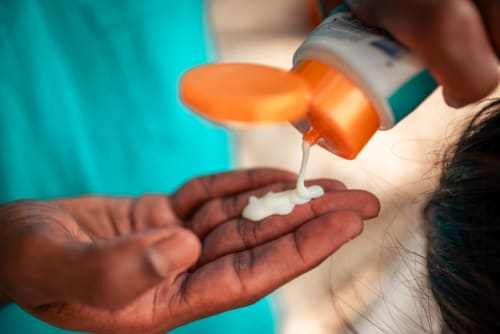
We all love the sun, but too much of a good thing is not always the best for us, especially for our skin. Skin cancer is the most common cancer in the US, with at least 1 in five Americans developing it by the age of 70. It’s also highly preventable if you follow some pretty easy, lifelong sun protection habits.
“Skin cancer is caused by ultraviolet rays, which react with melanin, the first defense against harmful effects of the sun,” said John Kwon, MD, a Dermatologist at Berkshire Dermatology & Plastic Surgery. “A small amount of sun exposure is healthy for us, but too much can cause dangerous reactions, including cancer, premature aging of the skin, cataracts and other harmful effects.”
What can you do to avoid too much sun? The American Academy of Dermatology has some tips:
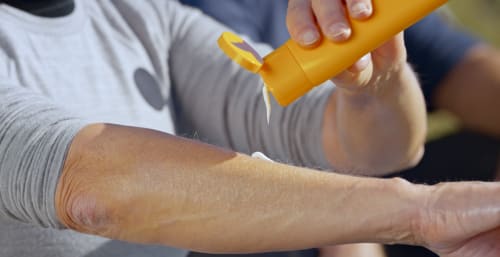
- Generously apply a mineral sunblock with zinc oxide or aluminum dioxide to all exposed skin. Sunblock can also be directly applied to the lips without the need for lip balm.
- Wear protective clothing such as a long-sleeved shirt, pants, a wide-brimmed hat, and sunglasses, whenever possible. Look for clothing with a UV protection factor (UPF) or made of a tightly woven fabric.
- Seek shade when appropriate. Remember that the sun’s rays are strongest between 10 a.m. and 4 p.m.
- Get vitamin D through a healthy diet that may include vitamin supplements.
- Avoid tanning beds. Ultraviolet light from the sun and tanning beds can cause skin cancer and wrinkling. If you want to tan, try using a self-tanning product. But also use sunscreen with it.
- Protect your lips with lip balm with at least SPF 15.
“Sunburn can increase your risk for developing skin cancer considerably,” said Dr. Kwon. “Melanoma is the deadliest form of skin cancer, with an estimated 8,510 deaths projected in the US. The good news is, when melanoma is caught early at the localized stage, the 5-year relative survival rate is approximately 99%. The overall 5-year survival rate across all stages is 95%.”
Examine your entire skin on a regular basis. If you notice anything changing, growing, or bleeding on your skin, talk to your primary care provider and ask for a referral to Berkshire Dermatology & Plastic Surgery. Skin cancer is very treatable when caught early. Keep an eye out for new or changing moles, spots on your skin that itch, bleed or don’t heal, and any unusual skin changes. Many spots on your skin may be benign, but it is always a good idea to see a Dermatologist annually for a full body check.
For more information, talk to your primary care provider or Dermatologist. You can also visit the Centers for Disease Control.
This information is provided as a service of Berkshire Health Systems and is not intended to diagnose, treat, or prevent conditions or offer any medical advice.