



As students return to classrooms, sports, activities, and busy school routines, families may notice more sniffles, coughs, and colds making their way home. This is common at the start of the school year. Children are back in close contact with classmates, sharing spaces and supplies, adjusting to new sleep schedules, and spending more time indoors together.
Most back-to-school colds are mild and can be managed at home with rest, fluids, and supportive care. Still, knowing how to prevent illness, when to keep children home, and when to seek medical care can help families stay prepared and avoid unnecessary trips to the Emergency Department.
Why Colds Spread Quickly When School Starts
Schools and childcare settings naturally bring children into close contact with one another. Germs can spread through coughs, sneezes, shared surfaces, and hands that touch the face, mouth, or nose. New routines can also play a role. When children are tired, stressed, or adjusting to earlier wake-up times, their bodies may have a harder time staying well.
Common cold symptoms may include a runny nose, cough, congestion, sore throat, sneezing, and a low fever. These symptoms are usually manageable at home, but families should watch for symptoms that worsen, last longer than expected, or affect breathing, hydration, or daily activity.
Simple Ways to Help Prevent Illness
Healthy habits make a difference, especially during the busy back-to-school season. Encourage children to:
- Wash their hands often with soap and water, especially before eating and after using the bathroom.
- Cover coughs and sneezes with their elbow, not their hands.
- Avoid touching their eyes, nose, and mouth.
- Stay home when they are sick.
- Get plenty of sleep (for their age).
- Eat nutritious meals and snacks.
- Stay active and hydrated.
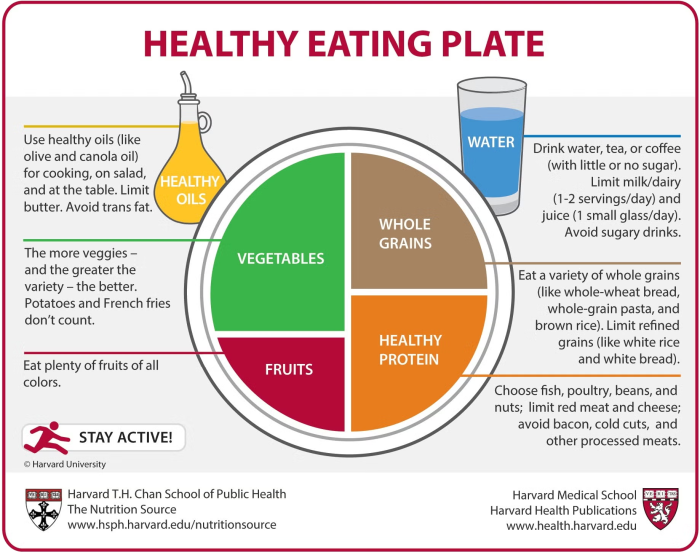
Good nutrition can also support a child’s overall health. Aim for variety, including fruits, vegetables, whole grains, and healthy sources of protein. Protein-rich foods such as beans, peas, grains, seeds, nuts, meat, fish, milk, yogurt, cheese, and eggs help children grow and function well. Families can also help by limiting foods high in added sugar, salt, and saturated fats.
Sleep Matters, Too
Sleep is another important part of staying healthy. Children who get enough rest are often better prepared to learn, take part, and manage busy school days.
General sleep recommendations include:
| Age | Hours of Sleep Needed |
| 3 to 5 years | 10 to 13 hours |
| 6 to 12 years | 9 to 12 hours |
| 13 to 18 years | 8 to 10 hours |
Families can help children ease into the school year by restarting bedtime routines before school begins, limiting screens close to bedtime, and creating a calm evening routine when possible.
When to Keep Your Child Home
It can be hard to decide when a child should stay home from school. Families often must balance the risk of spreading illness with a child’s educational, social, and emotional needs. In general, children should stay home when they have symptoms that could spread illness to others or when they are too sick to participate comfortably in school activities.
Keep your child home if they have:
- A fever.
- Vomiting or diarrhea.
- Skin sores that are draining or cannot be fully covered, such as open sores or oozing rashes.
- Respiratory symptoms that are worsening, such as a worsening cough, trouble breathing, or wheezing.
- Symptoms that make it hard for them to take part in normal school activities, such as extreme tiredness, frequent coughing, or needing more care than the school can provide.
When symptoms improve and your child is feeling well enough to return, follow your school’s guidance for returning after illness.
When to Seek Care
Many colds can be treated at home, but families should seek medical care if symptoms are concerning or do not improve. Contact your child’s primary care provider or seek care if your child has trouble breathing, symptoms that continue longer than expected, signs of dehydration, a high or persistent fever, worsening cough, or symptoms that seem more serious than a typical cold.
For life-threatening symptoms, such as severe trouble breathing, blue lips or face, confusion, severe allergic reaction, or other urgent warning signs, call 911 or go to the nearest Emergency Department.
For mild illness, minor injuries, or after-hours needs that are not life-threatening, Berkshire Health Systems Urgent Care can be a convenient option when a primary care appointment is not available.
Care That Fits Your Family’s Needs
Back-to-school season is busy, and a little preparation can go a long way. Healthy routines, good hand hygiene, balanced meals, enough sleep, and knowing where to go for care can help families feel more confident as the school year begins.
If your child needs care for a mild illness or non-life-threatening concern, contact your primary care provider or visit Berkshire Health Systems Urgent Care.
This information is provided as a service of Berkshire Health Systems and is not intended to diagnose, treat, or prevent conditions or offer any medical advice